
Paver sealing for San Marco homes
Paver Sealing in San Marco, FL
Old brick, shaded courtyards and live-oak drives in San Marco get a free paver sealing estimate when you call (904) 849-6734.
- Brings out deeper paver color
- Fresh joint sand helps lock pavers in place
- Gives weeds less room to grow
- Makes the surface easier to keep clean
- Free estimate, no obligation
Request a Free Estimate
Free, no obligation.
Fast, careful paver sealing in San Marco
Paver sealing in San Marco starts with a free estimate, whether your pavers are modern concrete or old brick near the Square. A local contractor washes, re-sands and seals driveways, courtyards and walkways. Use book your free estimate and the reply comes within 1 business day, usually much sooner.
Look at your front walk: brown under the oaks, with dirt and weeds where the joints near the steps used to be. A careful wash, new sand and the right sealer bring back an even tone without hiding the age of the house. Call (904) 849-6734 and say what you see, and the contractor will tell you what the job needs.
Why hire a local paver sealing contractor in San Marco?
San Marco homes sit on small, shaded lots with brick, concrete and mixed paving, and each material takes a different sealer. To learn what suits yours, book your free estimate.
Free look, no obligation
The contractor visits your San Marco property, looks over each paved surface and quotes a price before you agree to anything. You then decide whether to go ahead.
Brick and concrete handled apart
Old clay brick and concrete pavers use different products, so a mixed yard can need two sealers and a clear plan.
A range to measure bids
Companies across Northeast Florida publish $1.75 to $3.25 per square foot to clean, sand and seal. Hold each quote up against it.
A test patch if you want one
Ask to see a small patch first. Sealer changes color, and a sample on your pavers settles the question.
Get Your Free Estimate in San Marco
Tell us about your pavers in San Marco.
Free, no obligation
What paver problems show up most in San Marco?
Brown tannin stains under the oaks
San Marco's parks are known for live oaks and magnolias, and many yards share that shade. A Jacksonville company lists tannins from oak leaves among the stains that collect on driveways. Safe Touch says anything under a live-oak canopy gets brown water stains on drives and walks. The stain needs to come off before a coat goes on, or it stays under the sealer. Ask the contractor how the wash handles tannin, since oak stains react differently than plain dirt. Sealing afterward helps new leaf stains rinse away instead of soaking in.
Clay brick that needs to breathe
The brick pits behind Marco Lake once fed the neighborhood, and brick paving still shows up in older courtyards. A Northeast Florida company says a film sealer can trap moisture in old clay brick and cause flaking and haze. That is why a penetrating product is often chosen for it. A mixed yard of brick and concrete can need two products. The same company offers a test patch so a homeowner can see how a sealer changes the color. On a courtyard that took years to age, that small step is worth asking for.
Floodwater and silt on low lots
The St. Johns hit a record 5.57 feet in September 2017, and San Marco homes flooded. The city finished the LaSalle Street drainage project in October 2026, but officials say hard, fast rain can still overwhelm it. Silt from past high water can sit in the joints long after the yard dries. The surface has to be washed and fully dry before any sealer goes on. Tides reach far up the St. Johns and are strong near Jacksonville, so a low lot can stay wet longer than you expect. A good contractor plans around that. Waiting a few extra days is cheaper than redoing the coat.
Joints that open on tight courtyards
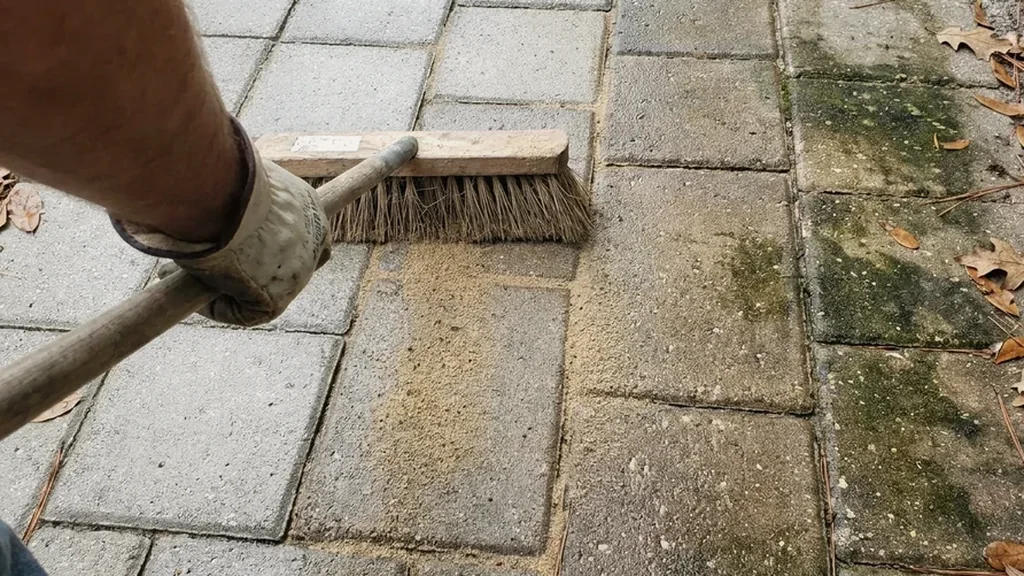
Small courtyards and side yards get heavy foot traffic and shared rain runoff. Joints loosen, sand sinks and weeds root in the gaps. Moss and algae only grow on interlocking pavers where shade and damp stay put. A courtyard ringed by walls can hold both, which is why fresh sand matters here. Fresh sand keeps those small paved spaces tight. Sealing then helps hold the sand where it was put. The fix is simple: wash, refill, seal.
Dirty or damp surfaces locked under sealer
A brick maker warns that sealant should never go over damp or dirty surfaces, or over efflorescence, since those get locked in. San Marco pavers sit near the river, where humidity stays high. A white haze or cloudy patch under a new coat is hard to undo. Patience on drying time protects the finish. Efflorescence, the white powder that rises from concrete and brick, is treated before sealing for the same reason. Ask what the contractor does when a surface is not ready.
Does paver sealing differ between San Marco and nearby St. Nicholas?
Slightly, since San Marco itself is an 80-acre Mediterranean-inspired community with winding streets, planted medians and parks. Colonial Manor and South Riverside sit inside it, and St. Nicholas lies just east. Safe Touch calls San Marco and its eastern neighbor a mix of historic brick, tight lots and courtyards. Mention your block when you book your free estimate.
Alexandria Place, a San Marco area subdivision in ZIP 32207, has a median build year of 1939. Villa Alexandria was platted in 1929, and Fletcher Park began in 1919 as a wartime housing project with 158 houses. Older lots like these can mean tight gates and short drives. Call (904) 849-6734 and tell the contractor how your yard is reached.
San Marco also has a preservation story. The San Marco Preservation Society formed in 1975 to protect the area's historic and architectural character. The City of Jacksonville requires a Certificate of Appropriateness for exterior work in historic districts and lists driveways as an example. Check your address on the city's Land Development Map first, then book your free estimate.
What does paver sealing cost in San Marco?
Published prices around Northeast Florida run $1.75 to $3.25 per square foot to clean, sand and seal pavers. A San Marco job lands inside that range based on prep, such as mildew removal, rust treatment or stripping old film. One Northeast Florida company says that prep affects price more than the sealer does. Request a quote with book your free estimate to see where your pavers fall.
Small courtyards cost more per square foot, because setup takes about the same time on a small job as on a large one. Tight side yards and narrow gates add prep time, and mixed brick and concrete can mean two products. Strip-and-reseal costs more when an old coat has failed. Call (904) 849-6734 and the contractor can talk through which of these apply.
| Paved area | Typical example | Clean, sand and seal |
|---|---|---|
| 300 sq ft | Small patio or walkway | $525 to $975 |
| 600 sq ft | Two car driveway | $1,050 to $1,950 |
| 1,000 sq ft | Large driveway or pool deck | $1,750 to $3,250 |
| 1,500 sq ft | Driveway plus pool deck | $2,625 to $4,875 |
Math based on the $1.75 to $3.25 per square foot that Northeast Florida paver companies published as of November 2026. Your contractor sets the actual price after seeing the surface. Repairs, leveling and stripping failed sealer are usually extra.
How does a paver sealing job work in San Marco?
Walk each surface and test the material
The contractor checks if the surface is brick, concrete or both, and how each drains. Sunken or root-lifted sections get reset on a rebuilt base first, since sealing only preserves them. A small test patch can show how sealer changes the color. Tell the contractor about any past flooding on your lot. That first look also sets the square footage the quote is built on. You get a clear list of what the job will include.
Wash with the house in mind
The wash lifts tannin stains, green film and river grime. Rinse water stays off older stucco, wood and mortar where it can. Oil and rust spots get pre-treated, though some deep stains may remain. Gentle methods protect old brick faces and the joints between them. Planting beds and wood trim near the paving get covered or rinsed with care.
Refill the joints
Washing pulls out sand, so new sand goes in before any coat. Full joints keep weeds out and help the pavers lock together. In tight courtyards the contractor sweeps carefully so sand does not end up in planters. The surface is cleaned again before it dries. Sealing locks joint sand in place, which cuts down on weeds and ants over the next seasons.
Let everything dry
Brick and shaded pavers hold water, and sealer over damp pavers can turn white. The contractor waits for the surface to dry all the way through. Heavy dew or a wet week near the river can push the date. A short delay is better than a hazy finish. Shade and humidity can keep pavers damp, so the contractor checks the surface before starting. The wait protects the finish.
Apply the right sealer and keep off
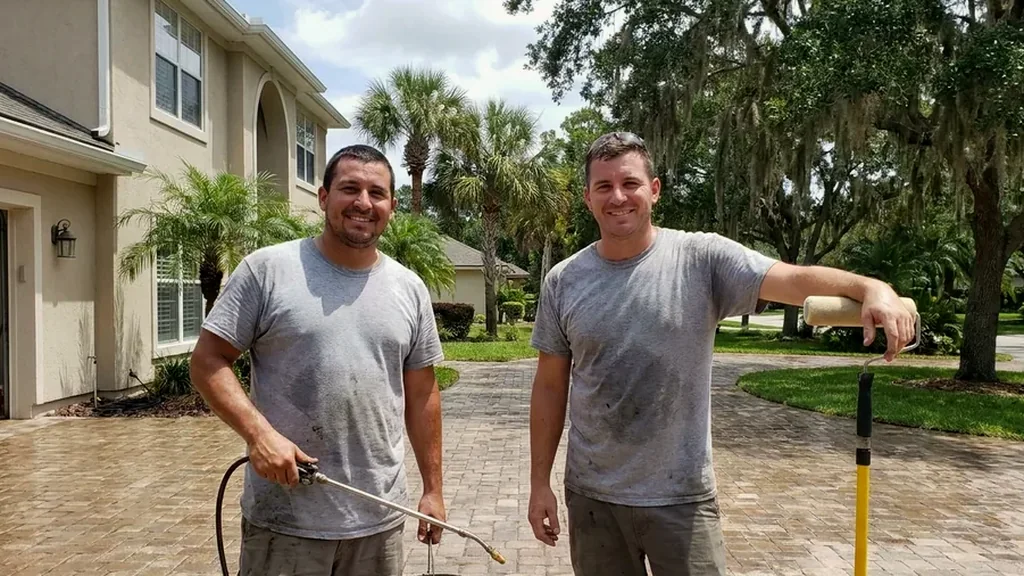
For concrete, a film-forming product is common. For old clay brick, a penetrating product leaves the look alone. Crews typically spray and then back-roll. Keep off the surface for a few hours on foot, and for about a day with a car. Move cars, pots and furniture off the pavers before the day so nothing marks the wet coat.
Complete paver services in San Marco
Start with the material in San Marco: brick, concrete or both. The wash lifts oak stains and river grime, new sand locks the joints, and sealer goes on once the surface is dry. Each step protects the next. To ask how long yours would take, call (904) 849-6734.
Front walks and courtyards under the oaks stay damp and stain early. Driveways take tires and drips, and pool decks and back patios, where you have them, get sun and splash. Each gets its own plan. Tell the contractor what you have when you book your free estimate.
Sealer choice follows the paver. Concrete takes a film-forming coat, while old clay brick often takes a penetrating one that keeps its look. An earlier solvent-based coat limits what can go on next. Call (904) 849-6734 to talk through finish, from matte to wet look.
Dates move with the season. A wet week can keep a shaded courtyard damp, and sealer will not go on damp pavers. Hard storms come most often from May to September. For a date that fits your street, book your free estimate.
Questions to ask before you hire
- Will you rinse the leftover sand off the pavers and out of the pool before you leave?
- How long do my dog and my kids need to stay off the sealed area?
- Will the sealer make my pavers darker, and by how much?
- Do the stains need to come out first, so the sealer does not lock them in?
- Can you price the driveway and the back patio as two separate jobs?
- Are my pavers concrete or travertine, and does that change the sealer you pick?
- What can you do about the white powder that keeps coming up on my pavers?
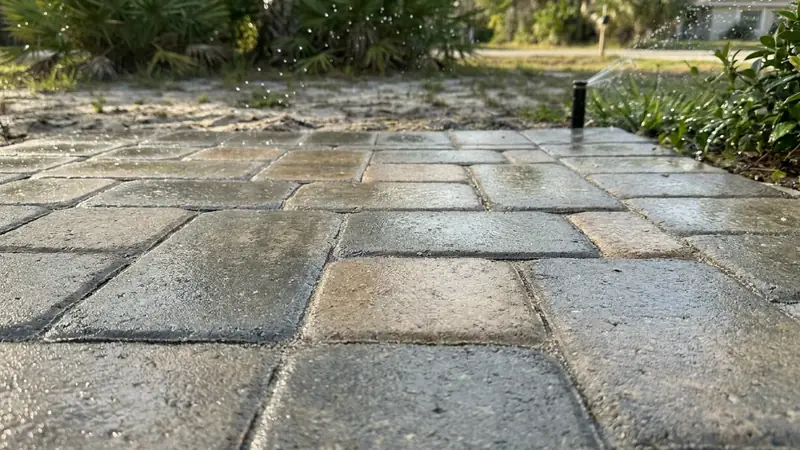
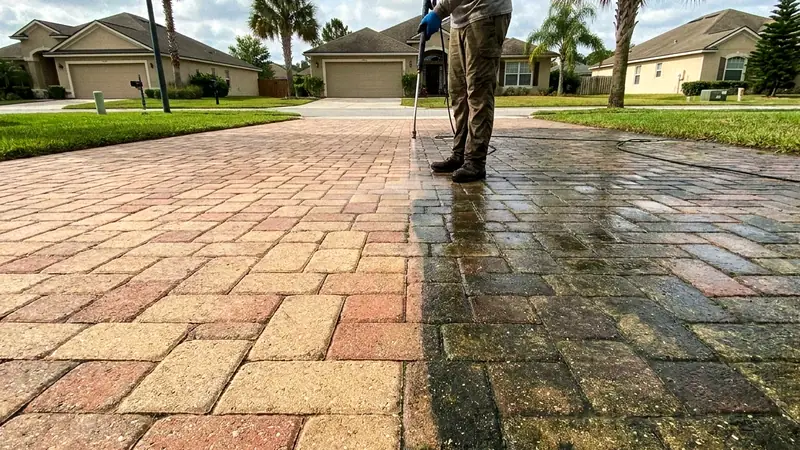
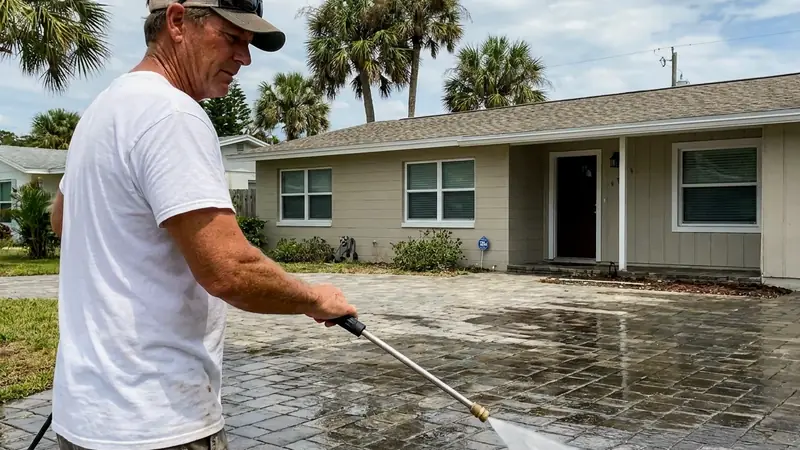
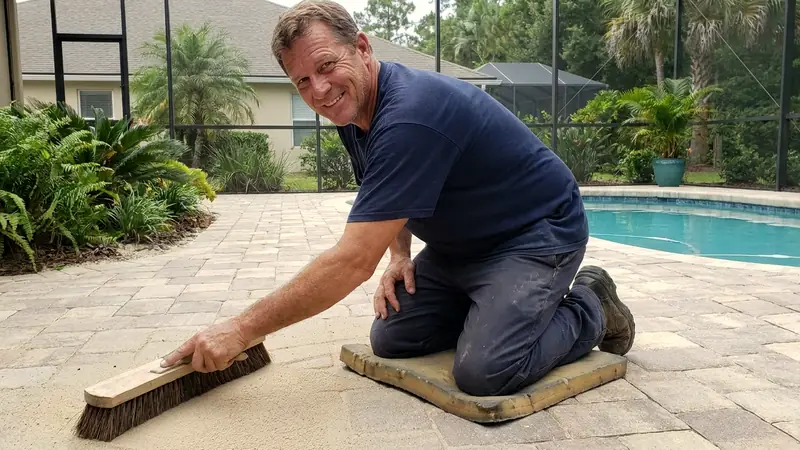
What do sealed pavers look like around San Marco?
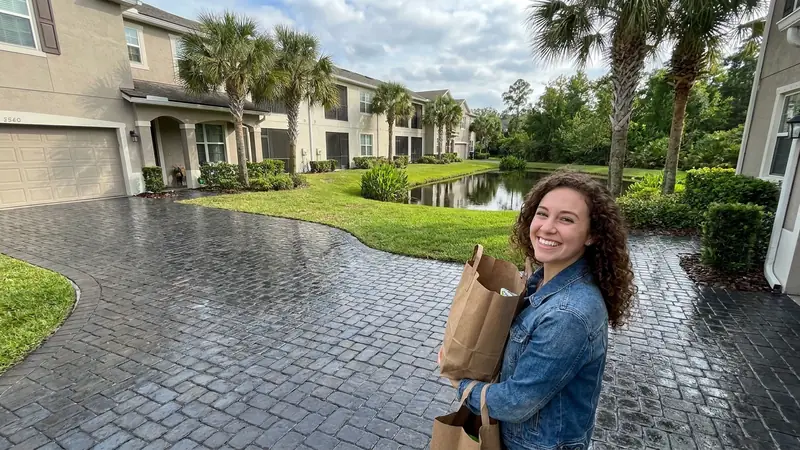
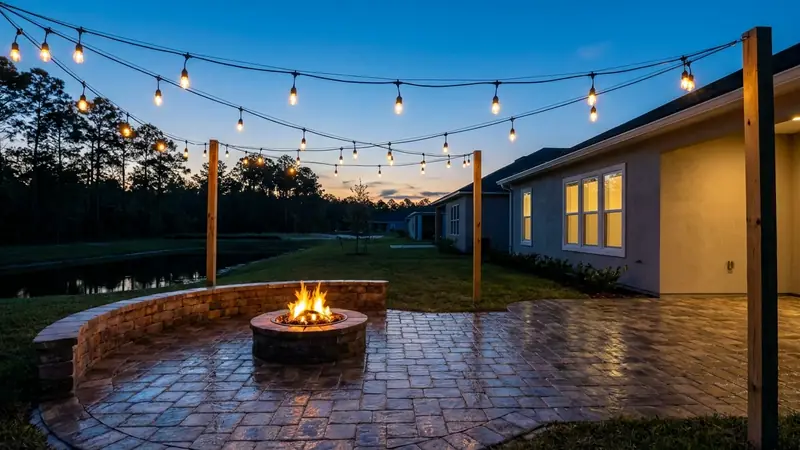
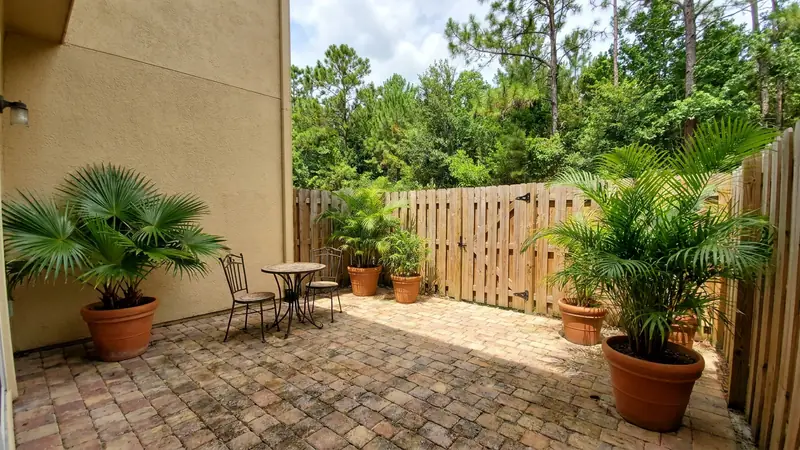
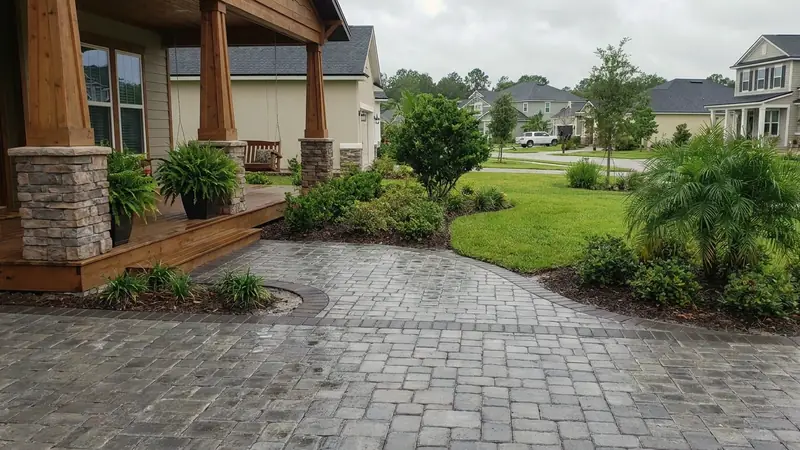
Why local matters in San Marco
A contractor who works San Marco has already worked around tight lots and courtyards that equipment cannot easily reach. They expect brick next to concrete and old pavers near the oaks. That experience shortens the estimate. To reach a contractor who works Duval County's older neighborhoods, call (904) 849-6734.
Local work also means knowing how this area handles water. San Marco has dealt with flooding for generations, and the LaSalle Street pump station was built to send floodwater back toward the river. A contractor who knows that history will ask how your lot drained last time. You can book your free estimate and bring it up.
Historic status matters on some blocks. A contractor who has seen the city's rules for historic districts will know when to suggest a check before work starts. That avoids surprises after the sealer is down. If you are unsure, book your free estimate and ask how the contractor handles it.
What makes San Marco different when you hire a paver contractor?
The older layout is the first thing. The Square, Largo Well Park and Belmonte Park sit among live oaks, and fourteen parks are listed for the area. Belmonte Park is ringed by oaks, and Landon Park is shaded by magnolias and oaks. If you live near any of them and your walk has turned dark, book your free estimate.
Marco Lake began as a clay pit for the Gamble and Stockton Brick Company, and the brickyard moved in 1925. The Treaty Oak stands in a 7 acre city park off Prudential Drive. Hendricks Avenue runs through the commercial heart of San Marco. Near any of these landmarks, call (904) 849-6734 and give your street.
Frequently Asked Questions
What is the average cost to seal pavers in San Marco?
In this part of Northeast Florida, the published range for a clean, sand and seal is $1.75 to $3.25 per square foot. A San Marco job moves within it based on prep, material and access. Strip-and-reseal costs more when the old coat has failed. Ask for the total square footage in writing so quotes compare fairly. A quote that lists prep steps tells you what the price covers.
How much does it cost to seal outdoor pavers in a San Marco courtyard?
The same range applies, but small courtyards cost more per square foot because setup time is spread over less surface. Narrow gates and tight side yards add prep. A quote should list the square footage so you can compare. A courtyard with a mix of brick and concrete may also need two sealers, which adds cost. A shared driveway or a long walk can change the math again.
What are the downsides of sealing pavers in San Marco?
Sealer needs a new coat every few years, and a wet look shows scuffs sooner than matte. It also needs a dry surface, which can delay a shaded courtyard. On old clay brick, the wrong sealer can trap moisture and cause haze. A test patch can show how the color changes before the whole job is done. These downsides are manageable with the right product and good timing.
How much does it cost to seal pavers on a San Marco driveway?
Driveways fall in the same published range, $1.75 to $3.25 per square foot. A longer drive costs more in total but can cost less per square foot. Oil and rust pre-treatment adds time. Quotes for the same driveway can vary widely, so compare what each one includes. Cars can return after about a day once the sealer has set.
Which sealer works on old brick in San Marco?
A penetrating, breathable sealer is often chosen for old clay brick, since a film sealer can trap moisture and cause flaking. Concrete pavers can take a film-forming coat. A yard with both can need two products. Ask for a test patch so you can see the finish before committing. The contractor can tell you which applies once the surface is washed and dry.
Do I need city approval to seal pavers in a San Marco historic district?
It depends on your address. The City of Jacksonville requires a Certificate of Appropriateness for exterior work in historic districts and lists driveways as an example. The city's Land Development Map shows whether your address is covered. The city page does not mention sealing by name, so asking staff is the safe step. If your home is in a district, get the answer before work is scheduled.
How long do I stay off pavers after sealing?
Light foot traffic can return after a few hours, while cars wait about a day. Heat, shade and humidity can stretch both. The contractor will give a time for your surface. Keep sprinklers off for the time the contractor gives you. Pets and children should wait as well, since the coat is still setting.
Can sealing remove the brown oak stains?
Stains are cleaned off first, and sealing then helps the next season's stains from soaking in. Safe Touch says sealer keeps the next season from locking the stain in. Some deep stains may not come out fully. A thorough wash comes first, and some stains need pre-treatment. A sealed surface is also easier to rinse when a new stain lands.
Nearby areas we serve
Ready for a Free Estimate in San Marco?
Call (904) 849-6734 and tell us about your pavers.
Free, no obligation